HVAC Maintenance in Maitland: Your Cold Snap Preparation Checklist
Maitland cold snaps don't issue warnings. When overnight temperatures plunge into the 30s, your HVAC system flips from cooling to heating, and months of sitting idle can turn into real problems fast.
That's why HVAC maintenance in Maitland matters more than most homeowners realize. After servicing thousands of systems across Central Florida, our local technicians know exactly what that first cold front reveals: failed ignitors, cracked heat exchangers, and clogged burners that homeowners never saw coming. We built this cold snap preparation checklist from those real-world service calls so you can catch issues before they leave your family in the cold. Use it to inspect, test, and tune up your system with confidence, or let our team handle it for you.
Quick Answers
HVAC Maintenance in Maitland: Your Cold Snap Preparation Checklist
Maitland homeowners should prepare their HVAC systems at least one week before any forecasted cold front. After years of servicing Central Florida homes, our technicians recommend this core checklist:
Test your heating system — Run it in heat mode for 15–20 minutes on a mild day
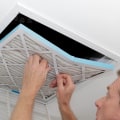
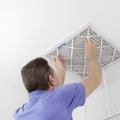
Replace your air filter — A dirty filter is the number one cause of cold snap breakdowns we see locally
Check your thermostat — Verify it's set to heat with correct temperature programming
Clear all vents — Remove furniture, rugs, or curtains blocking supply and return registers
Inspect visible ductwork — Look for gaps, loose connections, or deteriorated tape
Schedule a professional tune-up — A technician can check what you can't: heat exchanger integrity, combustion safety, and electrical connections.
Why it matters in Maitland: Central Florida heating systems sit idle for months, and that dormancy causes dust buildup, weakened ignitors, and thermostat drift that only surface when the system is suddenly asked to perform at full capacity. Preparing before the forecast — not after — is the difference between a comfortable home and an emergency service call.
Top Takeaways
Test your heat before you need it. Run your system in heating mode on a mild day — at least a week before any forecasted cold front. If something is wrong, you'll have time to fix it.
Replace your air filter first. A dirty filter is the number one cause of preventable cold snap breakdowns we see in Maitland homes. Two minutes now can save you an emergency call later.
Don't assume idle means ready. Systems that sit unused for months develop problems silently — dust buildup, loose connections, weakened ignitors. Working last winter doesn't guarantee it works tonight.
Carbon monoxide is the invisible danger. Cracked heat exchangers and blocked vents leak CO with no visible warning. Install detectors on every level and get a professional inspection before cold weather hits.
Treat cold snap prep like hurricane prep. Don't wait for the forecast. Walk through this checklist now and call a local HVAC professional if anything feels off.
Test Your Heating System Before You Need It
The biggest mistake we see Maitland homeowners make is waiting until the first cold night to flip the thermostat to heat. By then, you're troubleshooting in the dark — literally. Switch your system to heating mode on a mild day and let it run for at least 15 to 20 minutes. Listen for unusual banging, clicking, or grinding sounds. A brief burning smell is normal as dust burns off, but anything lingering beyond a few minutes needs professional attention. Our technicians recommend doing this test at least a week before any forecasted cold front, so there's time to address problems.
Replace Your Air Filter
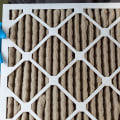
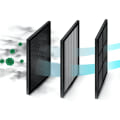
A clogged air filter forces your heating system to work harder, drives up energy costs, and can cause your system to overheat and shut down when you need it most. In our experience servicing Maitland homes, a dirty filter is the number one cause of preventable HVAC breakdowns during cold snaps. Check your filter and replace it if it looks gray or discolored. If you have pets or allergy concerns, a MERV 8 or higher-rated filter gives your system the airflow it needs while trapping the pollutants Central Florida homes are known for.
Inspect Your Thermostat Settings
After months of cooling mode, your thermostat settings may need a reset. Verify that your thermostat is set to heat and your desired temperature is programmed correctly. If you have a programmable or smart thermostat, confirm your heating schedule reflects your household's routine. Our technicians frequently arrive at Maitland service calls only to find the thermostat was still locked on cooling or the batteries had died. A two-minute check can save you an emergency call.
Clear Your Outdoor Unit and Vents
Central Florida landscapes grow fast, and months of summer growth can crowd your outdoor HVAC unit. Clear leaves, branches, and debris at least two feet around the unit to ensure proper airflow. Inside your home, walk room to room and make sure supply and return vents are open and unblocked by furniture, rugs, or curtains. Blocked airflow puts unnecessary strain on your system and creates uneven heating throughout the house.
Check Your Ductwork for Leaks
Leaky ducts are one of the most overlooked energy drains we find in Maitland homes, especially in older properties built before modern sealing standards. Heated air escaping into your attic or crawl space means your system runs longer, costs more, and still leaves rooms feeling cold. Inspect any visible ductwork for gaps, loose connections, or deteriorated tape. If certain rooms consistently feel colder than others, there's a good chance duct leaks are the culprit, and a professional inspection can pinpoint exactly where the loss is happening.
Schedule a Professional Pre-Season Tune-Up
Even with thorough DIY preparation, certain maintenance tasks require trained eyes and specialized tools. A professional tune-up covers what you can't easily check on your own: electrical connections, refrigerant levels, heat exchanger integrity, and combustion safety. Our Maitland technicians perform a comprehensive inspection designed specifically for Central Florida systems that spend most of the year in cooling mode and only run heat intermittently. Catching a small issue now costs a fraction of an emergency repair on a cold night.
Know When to Call for Emergency Help
If your system blows only cold air in heating mode, produces a persistent burning or chemical smell, cycles on and off rapidly, or fails to turn on at all, don't wait — call a professional. These are signs of potentially serious issues like a cracked heat exchanger or electrical failure. As your local Maitland HVAC team, we keep our emergency response ready because we know a failed heater during a cold snap isn't just an inconvenience — it's a safety concern for your family.

"After years of servicing HVAC systems across Maitland, the one thing we tell every homeowner is the same: test your heat before you need it, because the problems that catch people off guard during a cold snap were almost always preventable with a simple checkup a week earlier."
Essential Resources on "HVAC Maintenance in Maitland: Your Cold Snap Preparation Checklist"
We put this checklist together from years of real-world experience servicing HVAC systems across Maitland and Central Florida. But we also want you to have access to the same trusted federal resources our technicians reference when advising homeowners on heating safety, energy efficiency, and indoor air quality. These are the guides we recommend bookmarking before the next cold front moves through.
U.S. Department of Energy — Home Heating Systems. Here's something worth knowing: heating typically accounts for about 29% of your utility bill, and combining proper maintenance with insulation, air sealing, and thermostat settings can save about 30% on energy costs. We share this DOE resource with Maitland homeowners because it reinforces what we see every day — a little preparation goes a long way toward keeping your system efficient and your bills manageable. https://www.energy.gov/energysaver/home-heating-systems
ENERGY STAR — HVAC Maintenance Checklist.t This is one of the best government resources out there for homeowners who want to understand what a proper pre-season inspection covers. ENERGY STAR recommends pre-season heating check-ups that include thermostat verification, electrical connection inspections, and voltage and current measurements on motors. Many of these steps mirror exactly what our Maitland technicians perform during a cold snap tune-up. https://www.energystar.gov/saveathome/heating-cooling/maintenance-checklist
U.S. Consumer Product Safety Commission — Carbon Monoxide & Home Heating Safety. This one is personal for us. As neighbors who genuinely care about your family's safety, we can't stress carbon monoxide awareness enough — especially in homes where the heating system only runs a few weeks a year. The CPSC recommends annual professional inspections of heating systems, chimneys, and vents, along with CO alarms on every level of the home outside sleeping areas. If you take one thing away from this checklist, make it this. https://www.cpsc.gov/Safety-Education/Safety-Education-Centers/Carbon-Monoxide-Information-Center/Home-Heating-Equipment
U.S. EPA — Protect Indoor Air Quality in Your Home When your HVAC system switches to heating mode, indoor air quality changes in ways most Maitland homeowners don't expect. Indoor pollution sources that release gases or particles into the air are a primary cause of air quality problems, and inadequate ventilation can increase pollutant levels by not bringing in enough fresh outdoor air. We recommend this EPA guide because it covers the ventilation, filtration, and source control strategies that work hand-in-hand with the maintenance steps in our checklist. https://www.epa.gov/indoor-air-quality-iaq/protect-indoor-air-quality-your-home
ENERGY STAR — Heat & Cool Efficiently Duct leaks are one of the most common issues we find in Maitland homes, and this ENERGY STAR resource explains why they matter so much. In a typical house, 20 to 30 percent of air moving through the duct system is lost to leaks, holes, and poorly connected ducts, leading to higher utility bills and difficulty maintaining comfort. If certain rooms in your home never seem to warm up during a cold snap, this guide will help you understand what's happening and what to do about it. https://www.energystar.gov/saveathome/heating-cooling
Florida Division of Emergency Management — Cold Weather Preparedness. Living in Central Florida ourselves, we know cold snaps catch a lot of people off guard. The Florida Division of Emergency Management puts it simply: follow the Five P's of Cold Weather Preparedness — protect people, pets, plants, and pipes, and practice fire safety, including ensuring homes have working smoke and carbon monoxide detectors. We share this Florida-specific resource with our Maitland neighbors because it addresses the risks that are unique to our area — homes that aren't built for extended cold and heating systems that rarely get tested. https://www.floridadisaster.org/news-media/news/20260130/
Ready.gov — Winter Weather Preparedness Cold snap preparation goes beyond your HVAC system, and this federal resource covers the full picture. Ready.gov recommends preparing your home with insulation, caulking, and weather stripping, learning to prevent frozen pipes, and installing and testing smoke alarms and carbon monoxide detectors with battery backups. We point our Maitland customers to this guide because it rounds out the HVAC-focused steps in our checklist with whole-home winter readiness — the kind of comprehensive preparation that protects your family from every angle. https://www.ready.gov/winter-weather
Supporting Statistics
We don't just quote numbers — we live them. Every statistic below reflects what our Maitland technicians encounter on real service calls.
Dirt and Neglect Are the Top Causes of Heating System Failure
After servicing thousands of HVAC systems across Central Florida, the most common thing we find inside neglected systems is dust, debris, and buildup from months of sitting idle.
According to ENERGY STAR, the average home spends nearly $1,900 a year on energy bills, with nearly half going to heating and cooling. Dirt and neglect are the top causes of system failure and inefficiency.
What this means for Maitland homeowners:
Systems that sit idle through summer collect dust that restricts airflow the moment heating kicks on
A five-minute filter check before the next cold front can prevent an overheated system shutdown
Neglected systems work harder, cost more, and break down sooner
Source: ENERGY STAR — How to Keep Your HVAC System Working Efficiently https://www.energystar.gov/products/ask-the-experts/how-keep-your-hvac-system-working-efficiently
Airflow Problems Can Cut System Efficiency by Up to 15%
One of the most frequent issues our technicians diagnose in Maitland homes isn't mechanical failure — it's restricted airflow.
ENERGY STAR confirms that airflow problems can reduce system efficiency by up to 15%, and that improperly operating gas or oil connections are both a fire hazard and a health concern.
The most common airflow culprits we find locally:
Furniture pushed against return vents
Filters that haven't been changed in six months or more
Duct connections that have loosened over time
Closed or blocked supply registers in unused rooms
These are all preventable. The walk-through portion of our checklist can catch them in minutes.
Source: ENERGY STAR — Maintenance Checklist https://www.energystar.gov/saveathome/heating-cooling/maintenance-checklist
Heating Equipment Is Among the Leading Contributors to 200+ Carbon Monoxide Deaths Annually
This statistic hits closest to home for our team. When we inspect a Maitland heating system that hasn't been professionally serviced in years, the heat exchanger is one of the first things we check — because a crack can leak carbon monoxide into your living space with no visible warning.
The U.S. Consumer Product Safety Commission reports that more than 200 people die each year from unintentional, non-fire-related carbon monoxide poisoning associated with consumer products, with heating equipment and portable generators among the top contributors.
Why this matters more in Central Florida:
Heating systems run so infrequently that problems go undetected for years
Cracked heat exchangers, blocked vents, and combustion issues develop silently between uses
CO is colorless and odorless — you won't know there's a problem without professional inspection
Our recommendation: Install CO detectors on every level of your home and schedule a professional inspection before cold weather arrives. It's the single most important step you can take to protect your family.
Source: U.S. Consumer Product Safety Commission — Home Heating Equipment & Carbon Monoxide https://www.cpsc.gov/Safety-Education/Safety-Education-Centers/Carbon-Monoxide-Information-Center/Home-Heating-Equipment
Final Thought
Cold snap preparation in Maitland isn't complicated — but it does require intention. Every step in this checklist takes a fraction of the time and cost of an emergency repair on a freezing night.
Here's our honest take after years of servicing HVAC systems across Central Florida: The biggest risk Maitland homeowners face isn't extreme cold itself. It's the assumption that because we don't use heat very often, the system will just work when we need it.
That assumption is what fills our emergency call schedule every time a cold front moves through.
What Happens When Heating Systems Sit Idle for Months
Systems don't stay in the same condition you left them. Between uses:
Dust accumulates on burners and ignitors
Electrical connections loosen and weaken
Duct seals deteriorate and develop gaps
Thermostats lose calibration without regular cycling
These aren't dramatic failures. They're quiet, gradual changes that only reveal themselves when you flip the switch, and nothing happens the way it should.
The Mindset That Makes the Difference
The homeowners we see handle cold snaps with confidence share one thing in common — they treat heating prep the same way they treat hurricane prep. Not as a reaction to the forecast, but as a routine they complete before the season begins.
That small shift is the difference between:
A cold night spent comfortably at home
A stressful scramble for emergency service
Our Recommendation
If there's one takeaway from this guide, it's simple: don't wait for the cold to test your system. Take action now.
Walk through this checklist step by step
Test your heating system on a mild day
If anything feels off, call a local HVAC professional who knows your area
That's what we're here for — not just as your HVAC service provider, but as your neighbors who genuinely want your family warm, safe, and comfortable when the next cold front arrives.

Frequently Asked Questions
Q: How far in advance should I prepare my HVAC system before a Maitland cold snap?
A: At least one week before any forecasted cold front. We say that from experience — every cold snap season, our Maitland technicians field emergency calls from homeowners who waited until the night temperatures dropped.
A one-week window gives you time to:
Test your heating system on a mild day
Replace your air filter and clear vents
Schedule a professional tune-up if something isn't right
Once a cold front makes the local news, our phones ring nonstop, and scheduling gets significantly harder. Getting ahead of the forecast is the single best move you can make.
Q: Why do HVAC systems break down during cold snaps in Central Florida more thanin other regions?
A: It comes down to something we call "idle system shock." In northern states, heating systems run for months, and problems surface gradually. In Maitland, your system sits dormant through eight or nine months of cooling season — then gets asked to perform at full capacity overnight.
That sudden demand exposes every issue that developed quietly during the idle period:
Dust-clogged burners
Corroded or weakened ignitors
Dried-out seals and loose connections
The thermostat drifts for months without cycling
Our technicians see more heating failures in the first 48 hours of a Central Florida cold snap than some northern HVAC companies see in a full month. The systems aren't worse — they just go from zero to full demand with no ramp-up period.
Q: How often should I replace my air filter during the winter months in Maitland?
A: Check monthly. Replace the filter any time it looks gray or discolored. The real frequency depends on your home.
Factors that shorten filter life in Maitland homes:
Pets that shed dander and fur
Older ductwork that circulates more dust
Nearby construction or heavy tree coverage
Family members with allergies or respiratory concerns
We've pulled filters after just 30 days that looked like they'd been in for six months. For Central Florida specifically, we recommend MERV 8 or higher — it balances airflow with protection against pollen, dust mites, and mold spores our climate is known for.
Quick test: Hold the filter up to the light. If you can't see through it, it's time to replace it.
Q: Do I really need a professional HVAC inspection if my system seems to be working fine?
A: Yes — and the homes where we find the most serious issues are the ones where everything seemed fine on the surface.
What a professional inspection catches that a visual check can't:
Hairline cracks in the heat exchanger are leaking carbon monoxide
Electrical connections are one cold cycle away from failing
Gas pressure outside safe tolerances
Combustion inefficiencies are invisible to the homeowner
Our Maitland technicians use combustion analyzers and diagnostic tools that go far beyond what a homeowner can evaluate visually. We've caught cracked heat exchangers in homes where the owner said the system was working perfectly — and in those cases, the inspection didn't just save money. It potentially prevented CO exposure that the family never would have detected on their own.
Q: What are the warning signs that my heating system needs immediate professional attention?
A: After years of responding to emergency heating calls across Maitland, we've narrowed it down to five warning signs that mean don't wait:
Cold air in heating mode — usually a failed ignitor or gas valve issue, common in systems that haven't fired up in months
Persistent burning or chemical smell — a brief smell when the heat first kicks on is normal, but anything beyond five minutes can indicate wiring problems or a compromised heat exchanger.
Rapid on-off cycling — the system is likely overheating and triggering its safety shutoff, frequently caused by a clogged filter or blocked airflow
Banging, grinding, or clicking — loose or failing mechanical components that will only worsen under sustained use
System won't turn on at all — could be a tripped breaker or dead thermostat batteries, but may signal a deeper electrical or ignition failure.e
If you notice any of these during your checklist run-through, don't troubleshoot beyond the basics. Call a local HVAC professional who knows Maitland systems and can diagnose the issue safely.
Don't Wait for the Next Maitland Cold Snap to Find Out Your HVAC System Isn't Ready
Walk through this checklist today, and if anything feels off, our local Maitland technicians are here to help — schedule your cold snap tune-up now and keep your family warm, safe, and comfortable all winter long.
Learn more about HVAC Care from one of our HVAC solutions branches…
Filterbuy HVAC Solutions - Miami FL - Air Conditioning Service
1300 S Miami Ave Apt 4806 Miami FL 33130
(305) 306-5027
https://maps.app.goo.gl/Ci1vrL596LhvXKU79